

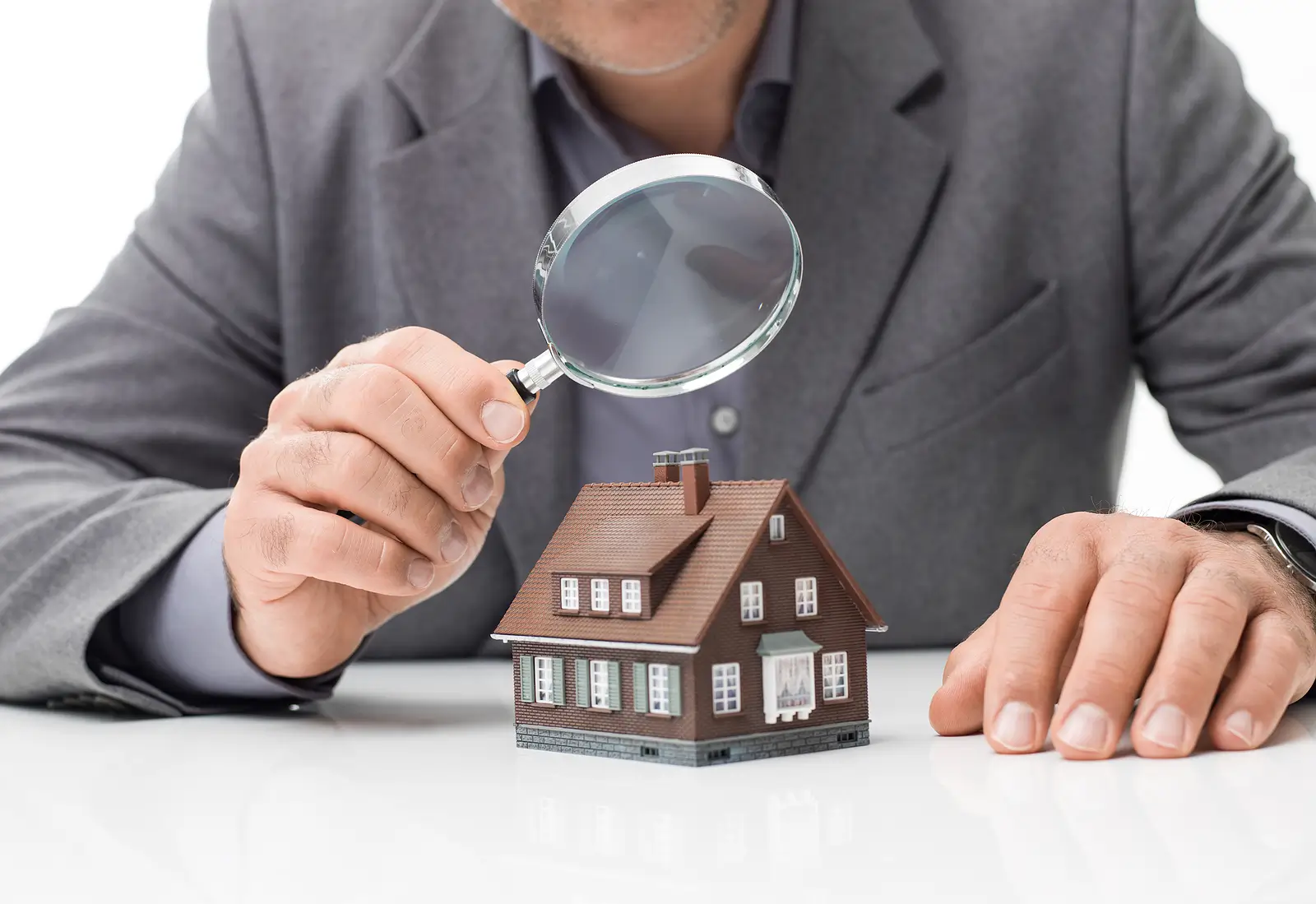
Owning a rental property is about more than collecting rent. Protecting your investment requires proactive maintenance, clear documentation, and regular communication with tenants. One of the best ways to stay ahead of problems is through property management inspections. These scheduled evaluations help identify maintenance concerns, verify lease compliance, and monitor the property's condition before minor issues become costly repairs.
A consistent inspection schedule also gives owners greater confidence that their investment is being cared for while helping tenants enjoy a safe, well-maintained home. If you're wondering when inspections occur and what they involve, continue reading for a closer look at the inspection process.
Key Takeaways
- Property management inspections help detect maintenance issues before they become expensive repairs.
- Move-in, routine, and move-out inspections each serve a unique purpose.
- Consistent documentation protects both owners and tenants.
- Regular inspections support property value, tenant safety, and lease compliance.
What Is a Property Management Inspection?
A property management inspection is a scheduled evaluation of a rental property performed by property managers to assess the property's condition, identify maintenance issues, and confirm lease compliance. Rather than searching for problems, inspections provide a practical way to protect the home and support successful property management.
Using a property inspection checklist, managers evaluate the home's interior and exterior while documenting any concerns they observe. This process helps owners address small maintenance issues before they become costly repairs, preserving both property value and tenant satisfaction.
Inspections also support tenant safety. Property managers commonly check smoke detectors and, where installed or required by applicable codes, carbon monoxide detectors while looking for conditions that could create safety hazards. HUD's NSPIRE standards provide additional guidance for maintaining safe rental housing.
Just as importantly, inspections help verify that tenants are following the lease agreement. Addressing concerns early often prevents larger issues later in the tenancy.
When Do Property Management Inspections Take Place?
Property inspections typically occur at three important stages of the lease.
Move-In Inspection
A move-in inspection establishes the property's condition before the tenant moves in. Using a rental property inspection checklist, property managers document existing damage, inspect major systems, and record the condition of finishes, fixtures, appliances, windows, and doors.
This documentation creates a reliable baseline for future comparisons and helps reduce security deposit disputes at the end of the lease.
Routine Inspections
Routine inspections allow property managers to monitor the rental property while it is occupied. Depending on the property's age, condition, and management strategy, inspections may occur annually or quarterly when appropriate.
During these visits, managers typically:
- Identify maintenance issues before they worsen.
- Verify completed repairs.
- Check for lease violations or tenant compliance concerns.
- Monitor the property's condition.
Before entering the rental unit, managers should provide proper written notice in accordance with Florida law, applicable local requirements, and the lease agreement. Florida Statute §83.53 outlines a landlord's right to access a dwelling while protecting tenant privacy.
Routine inspections also provide an opportunity to discuss maintenance requests and plan preventative maintenance before small concerns become larger repair projects.
For additional guidance on coordinating repairs, visit our article about maintenance planning.
Move-Out Inspection
A move-out inspection takes place after the tenant moves out. Managers compare the property's current condition with the original move-in inspection to distinguish normal wear and tear from damage beyond normal wear.
Accurate documentation helps determine whether security deposit deductions are appropriate under Florida law and the lease agreement while reducing the likelihood of tenant disputes.
What Do Property Managers Look for during an Inspection?
Professional rental inspections evaluate both the home's condition and the tenant's compliance with the lease.
Interior and Exterior Condition
Property managers commonly inspect:
- Walls, ceilings, flooring, windows, and doors.
- Plumbing fixtures and visible leaks.
- HVAC and electrical systems.
- Roofing, gutters, drainage, and exterior surfaces.
- Smoke detectors and applicable carbon monoxide detectors.
These inspections help identify maintenance issues early, reducing the risk of expensive repairs while supporting preventative maintenance.
Maintenance and Lease Compliance
Managers also verify that the rental property is being maintained in accordance with the lease terms. They may look for unauthorized occupants or pets, confirm that completed repairs remain in good condition, and document any new maintenance concerns.
Throughout the inspection, they respect tenants' personal belongings and focus on evaluating the home rather than the tenant's housekeeping habits.
Inspection Best Practices for Tampa Bay Rental Owners
A consistent inspection process benefits both owners and tenants.
To make inspections more effective:
- Follow Florida law, applicable local requirements, and fair housing laws.
- Provide proper written notice before entering the property.
- Use the same inspection checklist during every visit.
- Document inspections with photos and detailed notes.
- Use property management software to organize inspection reports and maintenance history.
When inspections are part of a proactive maintenance strategy rather than a reaction to problems, they contribute to successful property management and long-term property value.
For more insight into the value of inspections, visit our guide on regular inspections.
FAQs
1. How often should a rental property be inspected?
Many owners schedule routine inspections once or twice each year, although quarterly inspections may be appropriate depending on the property's condition, maintenance history, and lease terms.
2. Does the tenant have to be present?
Not always. When proper written notice is provided and the inspection complies with Florida law and the lease agreement, tenants are not generally required to attend, although many choose to be present.
3. What is considered normal wear and tear?
Normal wear and tear refers to the expected deterioration that occurs through ordinary use. Damage caused by neglect, misuse, or accidents is evaluated separately when determining security deposit deductions.
4. Why are regular inspections important?
Regular property inspections help identify maintenance issues early, support lease compliance, protect property value, and reduce the likelihood of costly repairs and tenant disputes.
Protect Your Investment with Proactive Property Management
Property management inspections do more than document a home's condition. They help owners make informed decisions, preserve property value, and address maintenance concerns before they become expensive problems. A consistent inspection strategy also strengthens communication with tenants and supports a safer rental experience.
At PMI Arrico - Tampa Bay, we help rental owners protect their investments through professional property management, thorough inspections, proactive maintenance coordination, and responsive service. If you're ready to simplify ownership while keeping your Tampa Bay rental performing at its best, contact our team today to learn how we can help.