

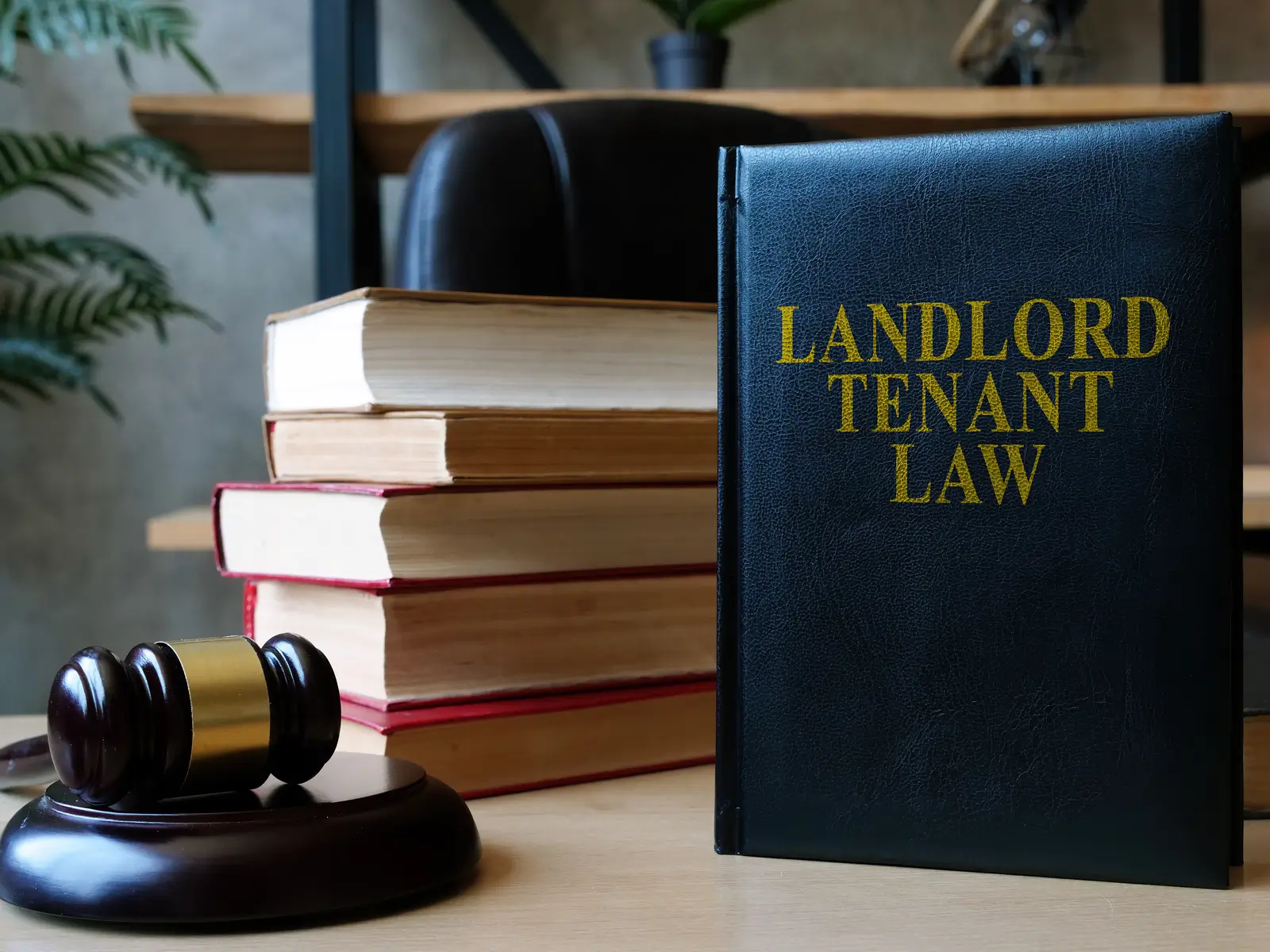
Hillsborough County rental laws directly shape how rental properties operate across Tampa Bay. From Florida law and enforcement differences to evolving tenant rights, property owners must stay informed to avoid compliance issues and financial risk. Changes like the former Hillsborough County tenant bill have also reshaped how landlord-tenant relationships function today.
For Tampa Bay landlords, success depends on understanding both state-level regulations and how they apply locally. Whether managing one dwelling unit or multiple properties, having systems like a reliable tenant screening process can reduce risk before problems arise.
Continue reading for a clear breakdown of how these laws affect your responsibilities and long-term success.
Key Takeaways
- Florida law governs most landlord-tenant relationships, limiting local authority in Hillsborough County.
- Clear rental agreements help reduce disputes and define expectations.
- Maintenance compliance is one of the most common legal risks for landlords.
- Proper handling of notices and deposits is critical for avoiding penalties.
Legal Framework Governing Rental Properties in Tampa Bay
State Law as the Primary Authority
Rental properties in Hillsborough County are primarily governed by Florida law. The Florida Landlord Tenant Act and relevant Florida statutes establish the legal foundation for landlord-tenant relationships, including rent collection, lease enforcement, and maintenance obligations.
For a full overview of these regulations, you can review Chapter 83 of the Florida Statutes.
Local Limitations and County Role
Local policies such as the Hillsborough County tenant bill and earlier rights ordinance once expanded tenant protections. However, state-level preemption now limits how much local governments can regulate rental housing.
Even so, Hillsborough County still plays a role in guidance and enforcement. Local expectations can vary across the Tampa Bay area and nearby Pinellas County. Every dwelling unit must meet applicable standards.
Rental Agreements and Lease Structure Requirements
Key Elements of a Strong Rental Agreement
A well-written lease agreement or rental agreement helps prevent disputes and ensures clarity between landlord and tenant. At a minimum, agreements should clearly define:
- Monthly rent and periodic rental payments
- Responsibilities for maintenance and upkeep
- Rules for property access and usage
Handling Lease Changes and Consent Issues
For month-to-month tenancy arrangements, landlords must follow proper procedures when making changes or ending agreements. In most cases, written notice is mandatory, and the required notice depends on the timing and lease terms.
It is also important to address situations where a tenant may unreasonably withhold consent. Defining when a tenant unreasonably withholds consent within the lease can reduce ambiguity and improve enforceability.
Property Maintenance and Housing Standards Compliance
Required Property Conditions
Florida law outlines clear landlord obligations when it comes to maintaining a rental property. Each dwelling unit must comply with housing and health codes to remain habitable.
Key responsibilities include maintaining:
- Hot water and other functioning facilities
- Structural systems and essential utilities
- Any air conditioning provided as part of the rental agreement or required by local code
- Safe and compliant conditions under applicable building and health codes
Structural and Code Compliance
Landlords must also maintain structural components and other structural components to avoid code violations. When a landlord fails to meet these requirements, tenants may have legal remedies available.
Maintenance issues are one of the most common sources of disputes, making proactive upkeep essential.
Tenant Rights and Responsibilities in Hillsborough County
Core Tenant Responsibilities
Tenant rights under Florida law are balanced by specific responsibilities. Tenants are expected to:
- Pay rent on time
- Maintain the rental unit
- Keep plumbing fixtures clean and use them in a sanitary manner
- Avoid continued unreasonable disturbance
Legal Protections for Tenants
At the same time, tenant protections exist to protect tenants and ensure fair treatment. These protections apply across the Tampa Bay area and are enforced through state law.
Clear communication and consistent enforcement of lease terms help maintain a stable rental relationship.
Notice Requirements and Communication Guidelines
Entry and Notice Standards
Florida law defines what qualifies as reasonable notice and a reasonable time for landlord entry into a dwelling unit. In most cases, landlords must provide at least 24 hours’ notice for non-emergency entry and enter between reasonable hours, typically between 7:30 a.m. and 8:00 p.m.
Entry must respect tenant rights, including during periods of intended absence.
Documentation and Delivery Methods
When a tenant notifies a landlord of an issue, proper documentation is critical. Notices are often delivered through a certified letter, and timelines may be affected by:
- Legal holidays
- Rules excluding weekends
- Timing calculations, such as time equal to or one-half the time
For more insight into evolving notice requirements, review this breakdown of electronic notice laws.
Security Deposit Handling and Financial Responsibilities
Legal Requirements for Deposits
The security deposit is heavily regulated under Florida law. And the Florida Statutes clearly lay out rules for handling deposit money, including timelines and documentation.
Landlords must:
- Return deposits within 15 days if no claim is made
- Provide written notice within 30 days if deductions are intended
- Document damages or unpaid rent
Avoiding Financial Disputes
Failure to follow these procedures can lead to disputes and court costs. Keeping organized records and clear documentation is key to protecting your financial position.
Rent Withholding and Legal Dispute Processes
When Rent Withholding Is Allowed
Tenants may withhold rent under specific conditions, but only after following proper procedures under Florida law. This typically includes providing 7 days’ written notice and allowing a reasonable time for repairs.
Escalation and Legal Action
Under certain circumstances, a landlord forfeits rights if serious maintenance issues are not addressed. These disputes may escalate to:
- County court
- A governmental agency
Prompt action and thorough documentation can help prevent escalation.
Fair Housing and Anti-Discrimination Compliance
Key Fair Housing Requirements
The Fair Housing Act prohibits discriminatory practices based on protected classes and requires fair treatment in housing decisions. Landlords should also be mindful of how policies impact applicants, including those using assistance programs.
Screening and Policy Consistency
Landlords must apply screening criteria consistently and understand how tenant-based assistance programs work. Consistency is critical to avoiding legal risk.
Local Resources and Legal Support for Landlords
Where to Seek Help
Landlords in Hillsborough County can turn to a governmental agency for certain complaints or enforcement issues. The Hillsborough County Board provides general guidance on local expectations.
When Legal Support Is Necessary
Organizations like Bay Area Legal Services can assist with more complex situations. When needed, landlords should obtain legal advice to ensure full compliance with Florida law.
Practical Compliance Strategies for Tampa Bay Landlords
Proactive Management Practices
Successful Tampa Bay landlords focus on prevention rather than reaction. This includes:
- Maintaining compliance across every dwelling unit
- Applying consistent policies
- Keeping detailed records
Staying Updated on Regulatory Changes
Regulations continue to evolve, especially in areas like insurance. For example, recent changes are outlined in this overview of insurance law changes.
These updates can directly impact risk management and operational decisions.
FAQs
1. What notice is required before a landlord can enter a rental unit?
Landlords must provide reasonable notice, typically at least 24 hours, and enter at a reasonable time unless there is an emergency.
2. Can tenants legally withhold rent in Hillsborough County?
Yes, but only after providing 7 days’ written notice and allowing time for the issue to be resolved.
3. How are security deposits regulated in Florida?
Deposits must be returned within 15 days if no claim is made, or landlords must provide written notice within 30 days if deductions apply.
4. What should landlords do if a dispute escalates?
Landlords can resolve disputes through the county court or a governmental agency and should obtain legal advice when necessary.
A More Strategic Approach to Rental Compliance
Operating a rental property in Hillsborough County requires more than a basic understanding of Florida law. It requires consistency, attention to detail, and the ability to adapt as regulations evolve across the Tampa Bay area.
PMI Arrico - Tampa Bay provides expert support to help property owners navigate these challenges with confidence. If you're looking to reduce risk, improve operations, and protect your investment, reach out today to learn how professional property management can support your long-term success.